The Geopolitical Seesaw
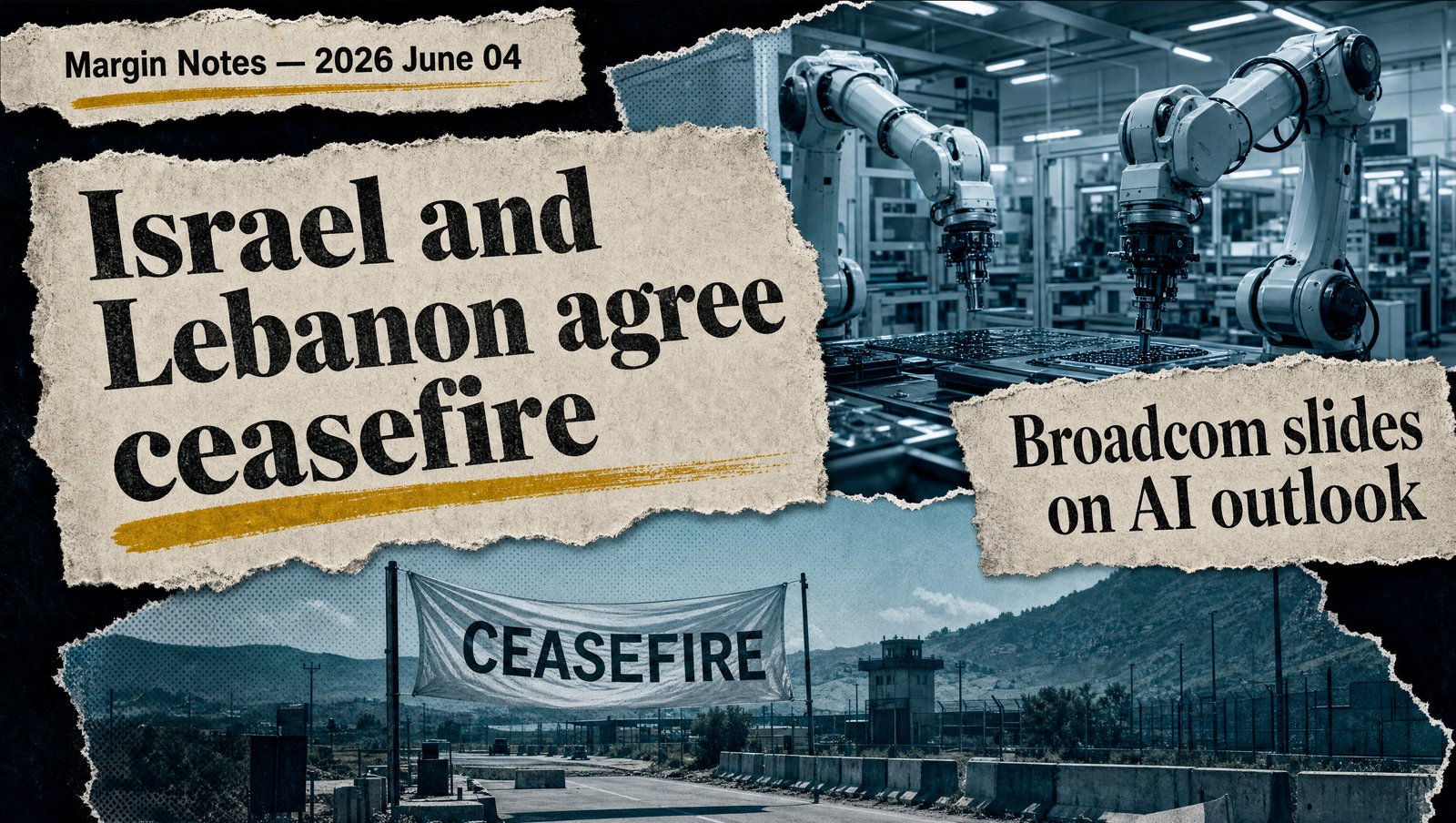
The market is currently operating under a form of selective blindness. While Israel and Lebanon agreed to a conditional ceasefire, the US and Iran continue to exchange strikes. This creates a strange environment where the S&P 500 is cooling off not because of the conflict, but because the "peace premium" is being balanced against a new set of risks. The US House of Representatives has joined the fray, as a Republican-led House voted to stop the Iran war, signaling a political rebuke of the US government's current strategy.
The hidden rhythm is that the market has already priced in the ceasefire, leaving it vulnerable to the ongoing kinetic noise. When the US Federal Reserve's Logan suggests that interest rates may need to rise this year to cool inflation, the equity market loses its appetite for risk. The Dow fell 1.21% today, suggesting that the geopolitical relief was a temporary buffer rather than a structural floor.
The AI Capex Ceiling
The mechanics of the AI trade are becoming increasingly unsentimental. Investors are no longer rewarding growth for the sake of growth; they are now demanding a clear return on investment. This was evident when Broadcom's stock slid over 10% after its AI chip outlook failed to meet the "blowout" expectations of the street. The market is essentially testing whether the massive spending can actually translate into bottom-line efficiency.
To fund this race, the capital requirements are staggering. Alphabet upsized its equity offering to $85 billion to maintain its infrastructure lead. For context, this is a sum that could fund the entire annual budget of several small nations. While TSMC warns that chip supply will not meet demand for years, the immediate reaction is a reality check on valuation. The market is realizing that the physical limit of hardware production is the only real ceiling on the AI supercycle.
The Liquidity Drain
The crypto market is enduring a brutal correction as the momentum trade evaporates. Bitcoin dropped below $63,000, triggering a liquidation event that wiped out $1.5 billion in long positions. The market processed the $1.5 billion wipeout with the calmness of a scheduled maintenance window. This is a sympathetic moment for corporate treasuries; Bitmine is facing a $9 billion loss as ether falls below $1,800, proving that concentrated bets on digital assets can be devastating when the tide goes out.
The institutional exit is systemic. BTC, ETH, SOL, and XRP ETFs bled $4.4 billion over 13 sessions, with only Hyperliquid products remaining in the green. The only bright spot is the move toward functional utility. Mastercard expanded its stablecoin settlement via USDC and RLUSD, moving the conversation away from token prices and toward the actual movement of money. The assets are crashing, but the rails are being built.
The Numbers
- S&P 500: 7,553.68 — -0.74% as a historic winning streak cools.
- Nasdaq: 26,853.98 — -0.89% on Broadcom's disappointing outlook.
- Crude Oil: $95.27 — -0.78% following the Israel-Lebanon ceasefire.
- Gold: $4,495.9 — +0.65% as a safe-haven hedge.
- US 10-Year Yield: 4.49% — reflecting hawkish signals from the US Fed.
- Bitcoin: <$63,000 — plunging as $1.5 billion in longs are wiped out.
A Few Last Things
- The US House of Representatives voted to stop the war in Iran.
- Quantinuum raised $1.68 billion in its initial public offering.
- Meta is fighting an Australian bid to force tech giants to pay for news.
- Swiss inflation held at 0.6% ahead of the SNB rate decision.
- CrowdStrike shares fell after disappointing cybersecurity earnings.
- The US government is negotiating a 39% tariff with Switzerland.